The Catalyst
July 2026
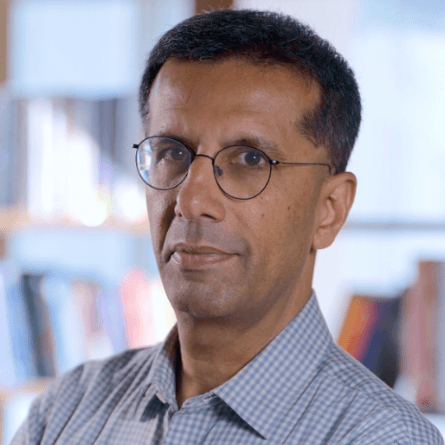
The road to Viksit Bharat runs through its states. This is where the jobs of the future will be created.
Ashish Dhawan,
Founder-CEO, The Convergence Foundation
Ashish Dhawan,
Founder-CEO, The Convergence Foundation
Broad policy direction and a share of funding might come from the Centre, but a large part of India’s development action happens at state level. What path should an ambitious Chief Minister who wants to make their state Viksit, follow?
A leader with an eye for the history books can focus, for the shorter term, on job creation in their state; and for the longer term, on augmenting human capital and state capacity. This letter makes suggestions towards the former – which can be realised within the ambit of a five-year electoral cycle. To this end, a Chief Minister can work on identifying sectors where their state can be competitive, improve ease of doing business and overall investment climate on the ground, prioritise cities or city regions as engines of growth, and enhance labour-intensive sectors such as tourism.
In the realm of ease of doing business, Prosperiti does granular analysis of labour laws, land and building bye-laws and other areas at state level, suggesting to state governments how they can reform these for better economic performance. For example, it has partnered with the Punjab government to draft the state rules under the new Labour codes, and with the Uttar Pradesh (UP) government to reform the state’s Factories Rules.
.jpeg&w=3840&q=75)
FED
Supporting second versions of the Jan Vishwas Acts in Odisha and UP
Similarly, Foundation for Economic Development (FED) has worked on deregulation and factor market reforms in states. On decriminalising business compliance related offences, FED is supporting second versions of the Jan Vishwas Acts in Odisha and UP. It is working with states on rationalising building permit and occupancy certificate approvals, which can be a game changer for investors.
Tourism is a job spinner, and Atithi Foundation is working at both Central and State levels to realise India’s tourism potential. It has signed an MoU with the Madhya Pradesh (MP) government, while a partnership with Rajasthan is under advanced stages of discussion. Tourist sites can be managed by setting up Destination Management Organisations (DMOs), empowered to holistically handle the levers for driving up high-quality tourist traffic – such as awareness, accommodation, amenities and activities, cleanliness, and safety. With Atithi Foundation's help, Khajuraho has been identified as a DMO model case, and funding for it is being explored.
Prosperiti
Partnered with the Punjab government to draft the state rules under the new Labour codes
There should also be a place-based strategy for growing jobs, focusing on creating large and efficient urban agglomerations as well as on left-behind regions. The Institute for Sustainability, Employment and Growth (ISEG) Foundation is supporting NITI Aayog and respective states in developing inclusive economic growth and employment, livelihood creation, and skilling strategies across three city regions (Mumbai, Varanasi and Visakhapatnam).
The Convergence Foundation (TCF) has also launched the Programme for Rural Advancement, Growth and Transformative Initiatives (PRAGATI), which aims to accelerate the economic growth of India’s underdeveloped regions. PRAGATI is supporting Amrit Prayas, a strategic initiative by Deoria’s Member of Parliament to transform the district.

CEGIS
Helping States build Jobs, Productivity and Economic Growth (JPEG) Observatories
Efficient commercial dispute resolution is a critical, but often overlooked enabler of economic competitiveness. DAKSH is studying the functioning of Bengaluru's commercial courts, examining procedural practices such as mandatory document submission and admission-denial statements. And TrustBridge and FED completed a litigation diagnostic for the Maharashtra State Road Development Corporation (MSRDC) over the past year, recommending systemic reforms in litigation management, dispute resolution pathways, and conflict governance.
As capital expenditure becomes a key lever for state-level growth, governments are looking to make this spending count. Centre for Effective Governance of Indian States (CEGIS Foundation) is supporting states with Capex analytics across the project lifecycle. A newer ask from state governments is for sharper data and intelligence on jobs, productivity, and growth. CEGIS is helping States build Jobs, Productivity and Economic Growth (JPEG) Observatories through a combination of publicly available and State's own administrative data.

States can also institutionalise the growth agenda further. Chief Ministers can set up an empowered, chief secretary-led Jobs, Productivity, and Economic Growth task force — bringing key departments together to identify, implement and track the most effective mix of top-down and bottom-up actions on jobs and growth.
The road to Viksit Bharat runs through its states. This is where the jobs of the future will be created. Correspondingly, TCF network organisations are increasingly orienting themselves towards working on the ground level, partnering with state governments to fulfil their development objectives.
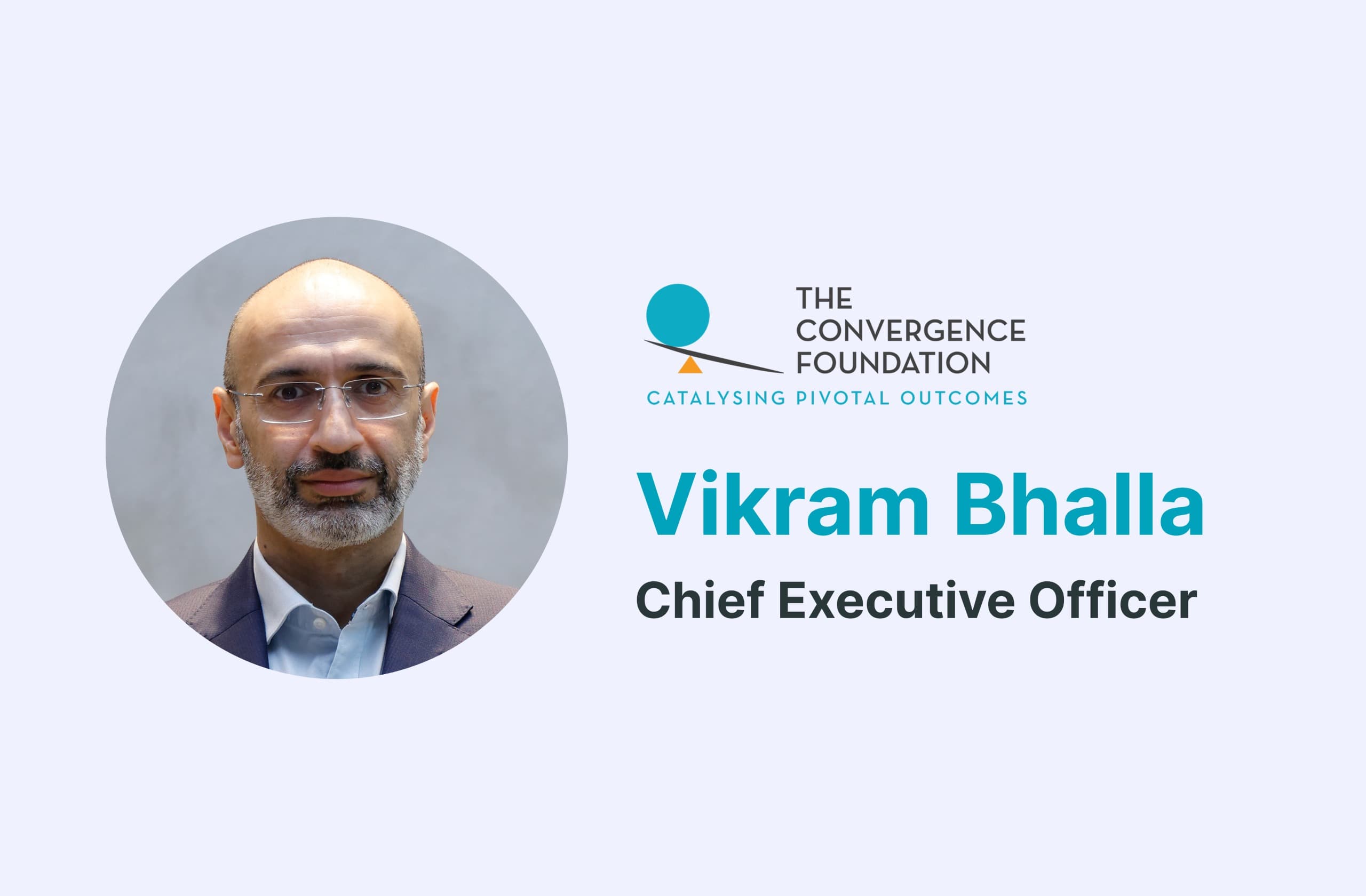
TCF announces the appointment of Vikram Bhalla as the CEO, effective July 6. Following a distinguished 30-year career at Boston Consulting Group, Vikram brings deep expertise and a long-standing commitment to TCF's mission, having served on its Advisory Board and those of several partner organisations. In his new role, Vikram will work closely with Founder Ashish Dhawan on overall strategy and key programme areas, strengthening organisational effectiveness, deepening engagement with portfolio organisations, and expanding the TCF network to further scale impact and advance the foundation's mission.

Highlights from our Network
India Leaders for Social Sector (ILSS) recently launched three insightful reports addressing critical themes across India's social sector. The India Fundraising Conference Report 2026 captures bold ideas on unlocking sustainable resources and reimagining fundraising. The Leadership and Management in the Social Sector Report, launched in Bangalore, examines capability gaps and the urgent need to strengthen leadership development across the ecosystem. The State of Advisory Boards in India's Social Sector Report, launched in Mumbai, explores how intentionally built advisory boards can strengthen ...
On May 6, the Government of Karnataka and ISEG Foundation signed a Statement of Intent to jointly develop the Economic Master Plan for the Bengaluru Metropolitan Region, charting growth priorities through 2032 and 2037. Signed in the presence of the Deputy Chief Minister and Chief Secretary, the plan encompasses economic growth, infrastructure, liveability, and sustainability across Bengaluru Urban, Rural, and South districts — a region of 16 million people contributing over 43% of Karnataka's GSDP. A steering committee chaired by the Chief Secretary will oversee implementation, with the Chief ...

Pahlé India Foundation (PIF), in collaboration with the Tata-Cornell Institute for Agriculture and Nutrition, hosted a policy dialogue at the India International Centre featuring Dr Prabhu Pingali, one of the world's most-cited agricultural economists. Led alongside PIF Chairperson Dr Rajiv Kumar, discussions centred on whether India can simultaneously address food security and climate resilience. The dialogue called for rethinking productivity through the lens of nutritional outcomes and climate adaptation, emphasising that India's agro-climatic diversity demands localised, data-driven soluti ...

The Udaiti Foundation (TUF) signed an MoU with the Maharashtra State Innovation Society to strengthen the ecosystem for women-led enterprises and support the establishment of a State-Anchored Women Entrepreneurship Hub and Accelerator. Notably, TUF was the only social sector organisation consulted for the Parliamentary Standing Committee report led by Digvijaya Singh, with its recommendations on working women's hostels, the care economy, migration, and women's workforce participation incorporated into the findings. Additionally, TUF launched its 9-month BFSI Women in Leadership project, includ ...

Prosperiti was invited to present at the National Consultative Workshop on "Developing Tourist Destinations to Global Standards," organised by the Ministry of Tourism in Kevadia, Gujarat. Alongside representatives from NITI Aayog, FAITH, and the World Travel & Tourism Council, Senior Analyst Arshiya Halder highlighted reforms focused on rationalising FAR requirements and reducing compliance burdens for hotels. The invitation followed Prosperiti's contributions to the High-Level Committee on Non-Financial Regulatory Reforms at NITI Aayog, where it proposed four reform areas comprising 17 re ...

DAKSH, in collaboration with Digital Futures Lab, launched the report, AI For Justice: Ethical, Fair and Robust Adoption in India's Courts, at the UN House in New Delhi in March. The launch event brought together the judiciary, government, academia, and civil society to examine responsible AI integration in courts. The event opened with a keynote by Hon'ble Justice Devendra Kumar Upadhyaya, followed by a panel discussion featuring Hon'ble (Retd.) Justice Rajiv Shakdher, Former Chief Justice of the High Court of Himachal Pradesh, and Jhalak Kakkar, Executive Director, CCG, National Law Universi ...









Factor market reforms are government policies designed to deregulate and improve the efficiency of the markets that provide the fundamental inputs for economic production: land, labour, capital, and entrepreneurship. Unlike product markets (where final goods and services are sold to consumers), factor markets are where businesses buy or rent the resources they need to manufacture those goods. These reforms aim to remove bureaucratic bottlenecks, boost productivity, and lower the overall cost of doing business.

For Jagpreet Kaur, learning continues long after her son returns home from school. Through poems, stories, conversations, and activities, seven-year-old Vihaan eagerly shares what he learns in the classroom, turning everyday family interactions into opportunities for learning. Her story highlights how engaged parents, activity-based learning, and strong school-home connections can help children develop confidence, curiosity, and a love for learning. Read full story here.


The Convergence Foundation seeks to be a powerful catalyst in India’s development journey, by creating momentum around pivotal ideas that have the highest potential for transformational change.
©2024-25 The Convergence Foundation
T&C | Privacy Policy
Designed with 🤍 by Sane Difference & Urbanhub Innovations